Corrugated Giant Launches the World’s First Vegan and Cruelty-Free Packaging
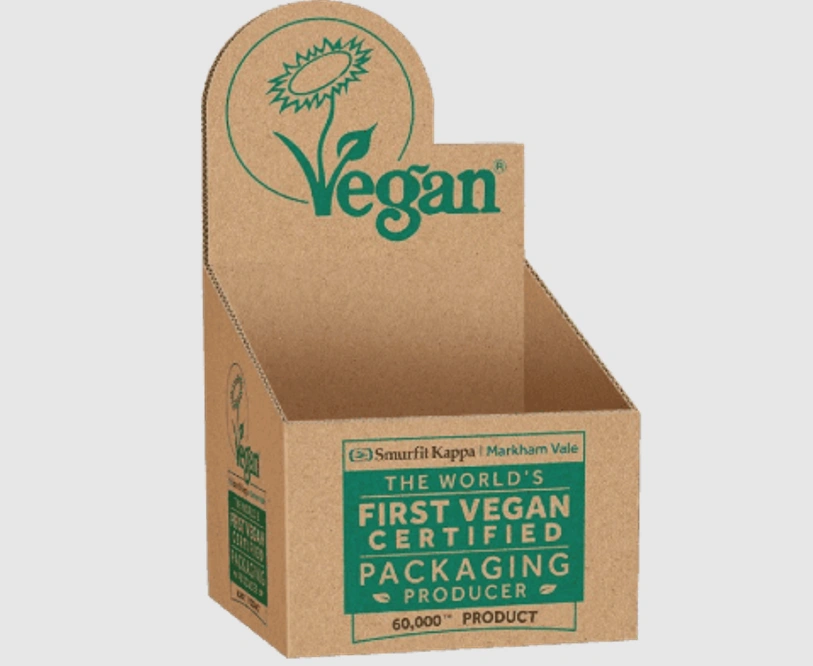
Around the world, a big change in “value-based consumption” is happening. As people become more aware of environmental issues, they no longer look only at what is inside a product, but also at the packaging itself. With the rise of global events such as “Veganuary,” more consumers are rethinking their lifestyles and using their buying choices to support environmental protection and animal welfare.
In this context, Smurfit Westrock, a global leader in packaging, has become the first packaging company in the world to receive official certification from The Vegan Society in the UK. This important step sets a new standard for what truly “green packaging” means and creates a new example for global brands on their sustainability journey.
To understand vegan packaging, we must first change a common misunderstanding. In traditional packaging, animal-based materials are often used. For example, glues for cardboard, printing inks, and surface coatings may contain gelatin or shellac from insects.
Smurfit Westrock’s “vegan and cruelty-free” packaging removes all animal-based ingredients from the start. From paper fiber selection to final printing and coating, every step follows a strict rule: no animal content. In addition, no animal testing is allowed at any stage of product development or production.
The company also explains that if packaging causes environmental pollution and harms marine life or wildlife, it is also a form of cruelty. Therefore, true vegan packaging is not only about materials, but also about protecting nature, using responsible sources, and being environmentally friendly throughout the whole life cycle.
This change in consumer behavior is not a small trend. Research from The Vegan Society shows that in developed markets, 85% of consumers are against animal testing for products like cosmetics, and about one in ten people have greatly reduced or stopped using animal products.
This thinking is spreading from food and beauty products to packaging. Studies from the Global Wellness Institute show that 40% of consumers prefer to buy from companies that match their personal values. If a brand claims to be green and vegan but still uses animal-based or harmful packaging, its trust with customers will be damaged.
As Mark Robinson, Marketing and Innovation Manager at Smurfit Westrock, says, packaging is not just for protection. It should also show a brand’s values. Vegan certification proves that sustainability and ethics are part of every step of the business.
Vegan packaging also has strong business value. A Deloitte report shows that about 49% of consumers are willing to pay more for sustainable packaging and delivery. This means green packaging is not only a cost, but also a smart investment that brings higher value and customer loyalty.
Smurfit Westrock’s idea of “additive-free packaging” shows this clearly. By using renewable materials like paper and cardboard and reducing extra materials through lightweight design, companies can cut carbon emissions and waste. Labels such as “plastic-free,” “animal-free,” and “responsibly sourced” also help brands build stronger emotional connections with customers.
This idea has already shown real results. In its cooperation with McCormack Family Farms, Smurfit Westrock solved a long-standing problem in agricultural packaging. In the past, wax or PET-coated trays were used to protect products from moisture, but these materials were hard to recycle.
Smurfit Westrock developed a new recyclable and water-resistant coating. This new material protects farm products from moisture and damage during transport while fully meeting vegan and sustainability standards. The success of this solution proves that environmental protection does not mean weaker performance. High quality and sustainability can go together.



Contact Us





Copyright © 2023 apppexpo.com 保留所有权利 沪ICP备12019481号-1 |  沪公网安备31010102008440号